Your Cart is Empty

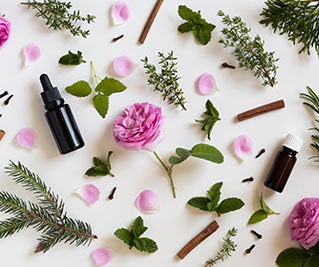
A great addition to some candles, adds a touch of musky sweetness
Love it , can move from room to room , great for the car
every oil I have purchased from Aussie candle supplies has been so good

Looking for something?

Every winter we start getting the same questions.
“Why is my candle suddenly tunnelling?”
“Why does my soy wax look rough now?”
“Why did this candle work perfectly in summer but not in winter?”
And the answer is simple.
Because candles are heavily affected by their environment.
A candle that behaves beautifully in a warm Queensland summer can behave completely differently during a cold Victorian winter morning.
This is one of the biggest things beginner candle makers do not realise early on.
Candles are not static products.
They are systems.
Wax, wick, fragrance, vessel and environment all work together and when one changes, the behaviour of the candle changes too.
Winter affects:
Even the temperature of your jars and benchtops can affect the final result.
That is why experienced candle makers test year-round.
Not just once.

This is probably the biggest one people notice first.
Suddenly:
Why?
Because soy wax is extremely temperature sensitive.
Cold rooms and cold jars can cause the wax to cool too quickly or unevenly.
And when soy wax cools differently, it crystallises differently.
That is why candles poured during winter often look different to candles poured during summer, even using the exact same wax and fragrance.
This is completely normal.

When wax cools too quickly on the outside but remains warmer internally, the centre can contract as it solidifies.
This can leave:
Cold ambient temperatures make this far more common.
Especially if:
This is one reason stable room temperatures are so important when pouring candles.

This surprises many people.
In colder weather, wax naturally takes longer to melt.
That means the melt pool develops more slowly.
So a candle that achieves a beautiful full melt pool in summer may appear to tunnel more during winter simply because the room temperature is much colder.
This becomes especially noticeable:
It does NOT automatically mean the wick is wrong.
Context matters.
Interestingly…
Candles often smell STRONGER in winter.
This is because:
But at the same time, cold rooms can also slow wax melt and delay hot throw development.
So sometimes customers may notice:
Again, candles are systems.
Everything interacts together.
Cold jars are one of the biggest causes of
Pouring warm wax into freezing cold glass creates a dramatic temperature difference.
This shocks the wax during cooling.
That is why many candle makers slightly warm their jars before pouring during colder weather.
Not hot.
Just not ice cold.

This sounds backwards, but it is true.
Winter exposes problems faster.
You will quickly notice:
And honestly?
That is valuable.
Because a candle that performs well during winter conditions will often perform beautifully the rest of the year too.
Panicking and changing everything at once.
People often:
When sometimes…
it is simply winter behaving like winter.
Small seasonal adjustments are normal in candle making.
That is why testing matters so much.
Do not chase perfection.
Chase consistency.
Focus on:
And remember…
Natural waxes behave naturally.
Especially during Australian winters.
At Aussie Candle Supplies, we always encourage candle makers to stop looking for “magic formulas” and start understanding how candles actually behave.
Because once you understand the system…
Everything starts making a lot more sense.

Why does my soy wax look rougher in winter?
Cold rooms and cold jars cause the wax to cool too quickly or unevenly, which changes how it crystallises, leading to rough tops, frosting, or wet spots that aren't as common in summer.
Why is my candle tunnelling more in winter?
Wax melts more slowly in colder rooms, so the melt pool develops slower too. This can look like tunnelling even though nothing is actually wrong with the wick.
Should I warm my jars before pouring in winter?
Yes, slightly. Pouring warm wax into freezing cold glass shocks the wax as it cools, which increases adhesion issues and wet spots. Just take the chill off; the jars don't need to be hot.
Does candle fragrance change in winter?
Often candles smell stronger overall in winter because rooms are more enclosed with doors and windows shut, though the wax may take longer to build a full melt pool and release scent early in the burn.
Should I change my whole recipe if a candle behaves differently in winter?
Not immediately. Small seasonal shifts are normal. Test one variable at a time (jar temperature, room conditions, wick) before overhauling wax, wick or fragrance load.